Center for Caucasus Studies at Øresund University – 10 years

We have an environment of competence on the Caucasus region on both sides of the Øresund strait between Denmark and Sweden that dates back for several decades. There are probably few regions where so many researchers were interested in the Caucasus at such an early date, long before the collapse of the Soviet Union – Ib Faurby, Helen Krag, Lars Funch Hansen, Märta-Lisa Magnusson, Vibeke Sperling, Søren Theisen, Karina Vamling, to mention some.

They conducted field research in the Caucasus already in the 1980s and 1990s, closely following the development in  the region: the struggle for independence and democracy, through wars and ethnopolitical conflicts. In November 2005 the “Center for Caucasus Studies at Øresund University” was founded as a platform and research network (http://www.caucasusstudies.org/center/activities/founding-meeting-in-2005.html). On the basis of this collaboration the first Caucasus Studies courses were developed at Malmö University (https://youtu.be/-khXAXXP1jI).

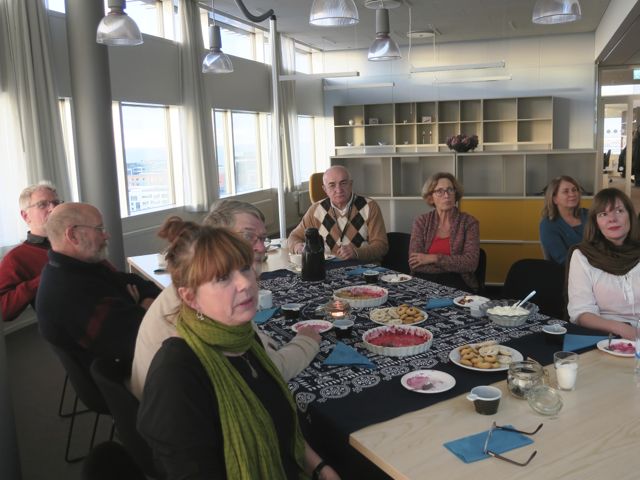
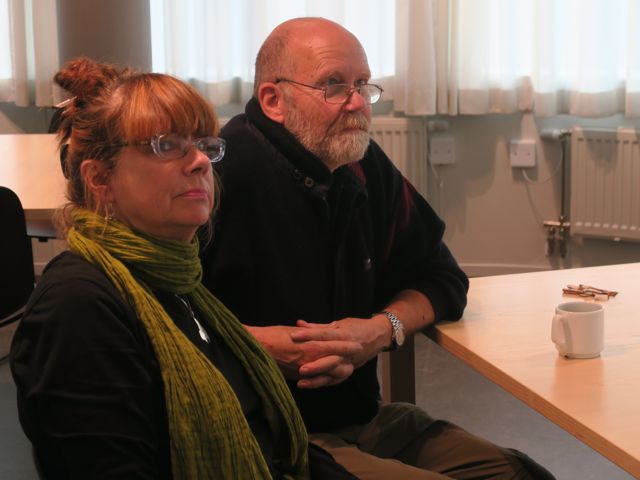
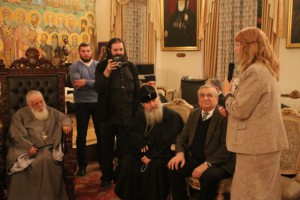
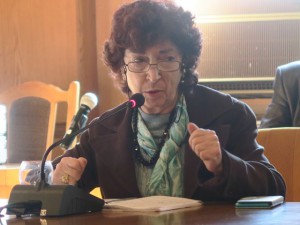
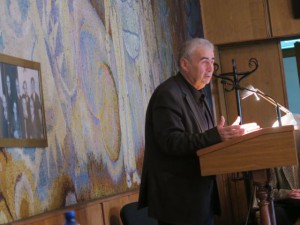
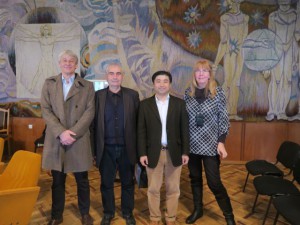
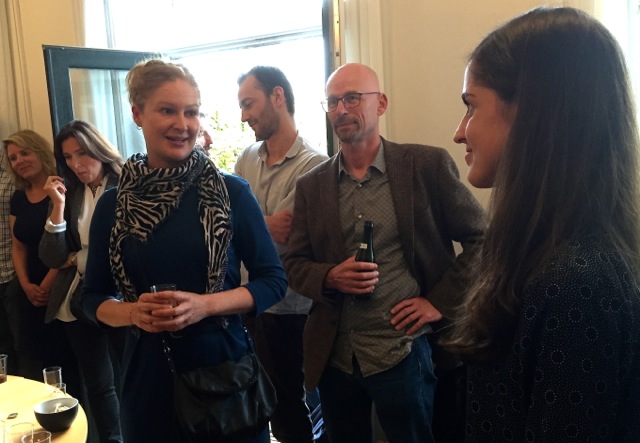
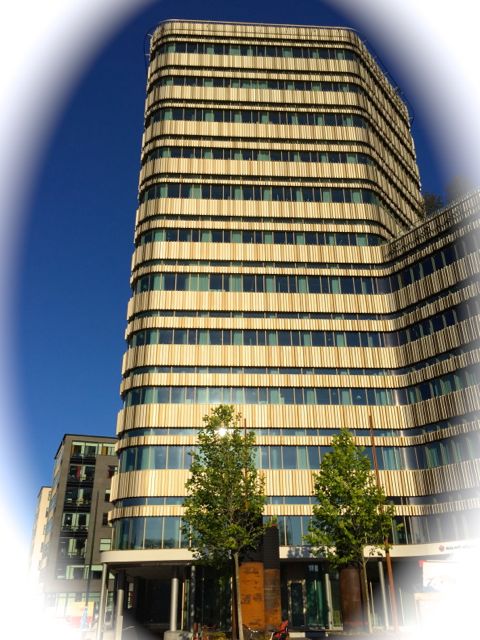
Photos from the anniversary workshop and seminar on November 26, 2015.
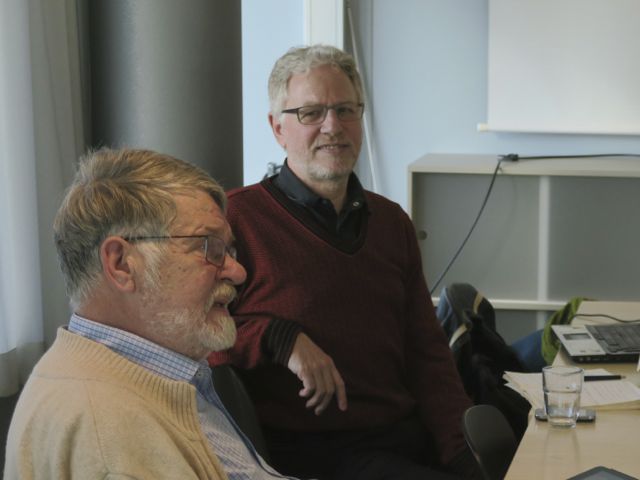
IMG_1947IMG_1958IMG_1949

International Kartvelological Congress

The International Kartvelological Congress was held in Tbilisi on November 10-14, 2015. It was organized by the Georgian Acacemy of Sciences, Tbilisi State University and the Georgian Patriarchate.

Prof Karina Vamling, Caucasus Studies (Malmö University) participated with the paper “These wine wells are just as good as the old Goths’ vats of mead” – historic-ethnographical materials on Georgia in early Swedish newspapers.


Special issue of “Sport in Society” on developments in Sochi and Russia after 2014

spinsoc (1)The journal Sport in Society. Cultures, Commerce, Media, Politics has recently published the special issue When the party is over: developments in Sochi and Russia after the Olympics 2014, edited by Bo Petersson (Malmö University), Karina Vamling (Malmö University) and Alexandra Yatsyk (Kazan Federal University).

Contributions include:

  • Andrey Makarychev and Alexandra Yatsyk: From Sochi – 2014 to FIFA – 2018: A Fading Sovereignty?
  • Bo Petersson and Karina Vamling: Fifteen Minutes of Fame Long Gone: Circassian Activism before and after the Sochi Olympics
  • Jonathan Grix and Nina Kramareva: The Sochi Winter Olympics and Russia’s Unique Soft Power Strategy
  • Johan Ekberg and Michael Strange: What Happened to the Protests? – The Surprising Lack of Visible Dissent During the Sochi Winter Olympics
  • Ray Taras: Putin’s Sochi Hubris: Righting the Ship of Sport, Wronging the Ship of State?

New publication on iCircassia

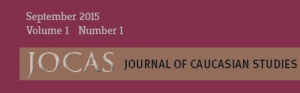
coverLars Funch Hansen, senior lecturer at Caucasus Studies, has recently published the article iCircassia digital capitalism and new transnational identities in the first volume of the new Journal of Caucasian Studies.
What is iCircassia? As Lars Funch Hansen sees it “The significantly increased production of Circassian content on the Internet could be labelled as a form of virtual re-territorialisation of Circassia – especially considering the strong focus on identity and history. I apply the label ‘iCircassia’ as an addition to the classical understanding of the Circassian World as consisting of Circassians of the homeland and the diaspora.”

More information at: http://www.jocas.net/index.php/jocasen/article/view/4

Laz language in focus

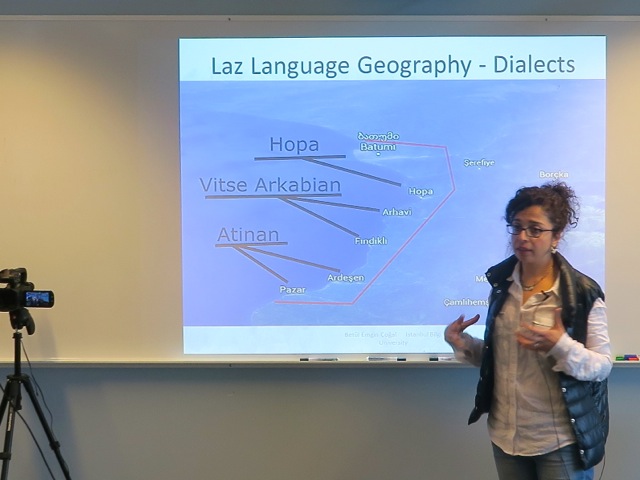
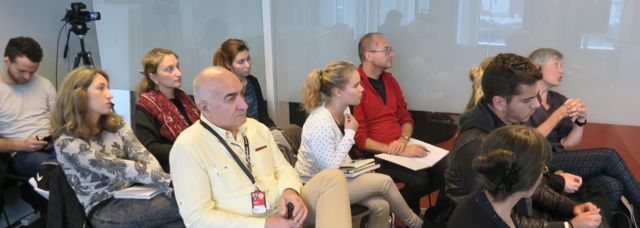
IMG_1257IMG_1263Laz was in focus at today’s web & campus seminar on Caucasian languages in Turkey with visiting researcher Betul Emgin Cogal (Bilgi University, Istanbul). Betul has conducted field research with Laz communities in north-eastern Turkey.

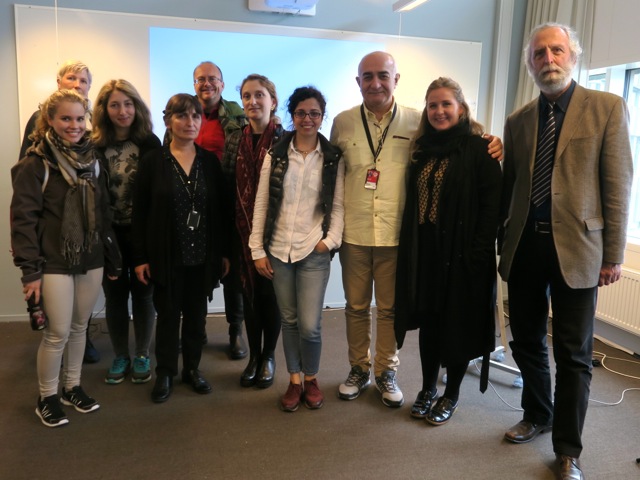
Below – after the seminar: Staff, visiting researchers and some of our students at Caucasus Studies

IMG_1266

Third Caucasus-related PhD defense in Copenhagen in 3 years

Congratulations to Dr. Tamta Khalvashi, who has successfully defended her PhD dissertation at the Department of Anthropology, Copenhagen University (September 11, 2015). The title of the thesis is Peripheral Affects. Shame, Publics, and Performance on the Margins of the Republic of Georgia.

IMG_0204This was the third Caucasus-related doctoral dissertation in Copenhagen in three years, and we are very happy to note this growing competence and interest around the Caucasus in the Øresund region.

Dr. Katrine Gotfredsen (to the left) congratulates Tamta Khalvashi after the defense act.


Copenhagen, Malmö and Tbilisi

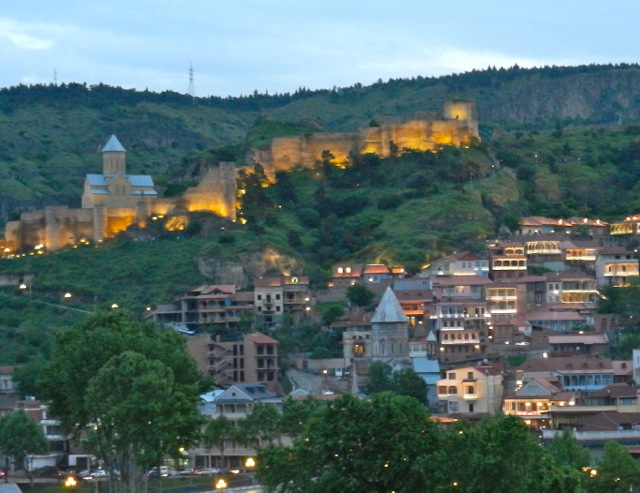
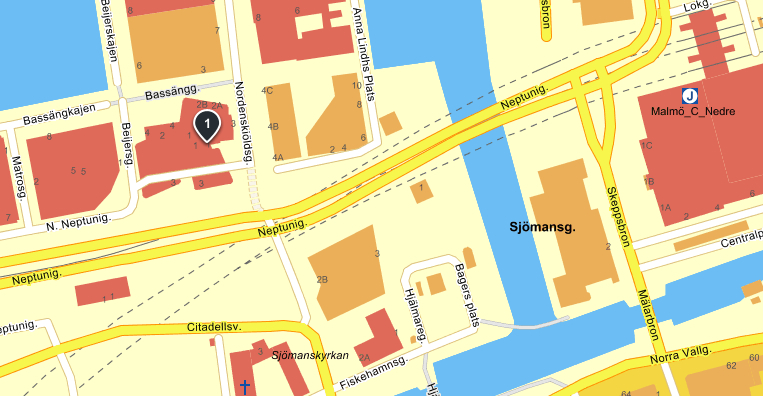
According to the online magazine TimeOut (July 21, 2015) – writing on culture, events and entertainement – the cities of Copenhagen (Denmark), Malmö (Sweden) and Tbilisi (Georgia) are all among the “Top 10 European destinations” for 2015.

“The 10 best European destinations in 2015
Bored by Berlin? Tired of Tuscany? Paris? We’ve all been there. If you’re serious about your European destinations, these are the places to head for…”
(http://www.timeout.com/city-guides/10-best-european-destinations/) DSCN0007


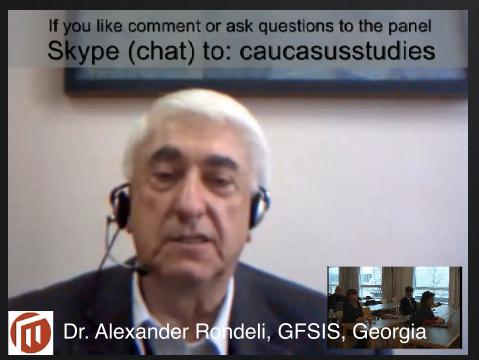
Prominent scholar Alexander Rondeli dies in Tbilisi

The very saddening news have reached us that Prof. Alexander Rondeli, founder of GFSIS, a prominent Georgian scholar and political analyst, passed away in Tbilisi on June 12. We have lost a beacon for scholars on the Caucasus internationally, a highly esteemed colleague and a dear friend of Caucasus Studies, Malmö University.

Rondeli“შეხვედრები ბატონ ალექსანდრესთან ძალიან მნიშვნელოვანი იყო ჩემთვის, ჩემი კოლეგებისა და სტუდენტებისათვის. მასთან შეხვედრის დროს იგრძნობოდა მისი სიკეთე, ადამიანური სითბო და დიდი ცოდნა. ჩვენ ვგრძნობდით, რომ მისი ინსტიტუტის კარები მუდამ ღია იყო ჩვენთვის.

დაე ბატონი ალექსანდრეს მარადიული მოგონება იყოს.”
– პროფესორი კარინა ვამლინგი

მალმიოს უნივერსიტეტი (შვედეთი)

Announcement from GFSIS (Georgian Foundation For Strategic and International Studies): http://gfsis.org

Read more – other announcements:
Civil.ge Daily News Online
http://civil.ge/eng/article.php?id=28345
Democracy and Freedom Watch
http://dfwatch.net/alexander-rondeli-dies-at-age-73-36436


Märta-Lisa Magnusson interviewed in Open Democracy

Senior lecturer Märta-Lisa Magnusson is interviewed on recent developments in Nagorno-Karabakh in an article published in Open Democracy. The article discusses problems related to the lack of  international standing of Nagorno-Karabach.

Read the article by Lucas Goetz in Open Democracy –  “Nagorno-Karabakh: European Dreams”: https://www.opendemocracy.net/can-europe-make-it/lucas-goetz/nagornokarabakh-european-dreams